
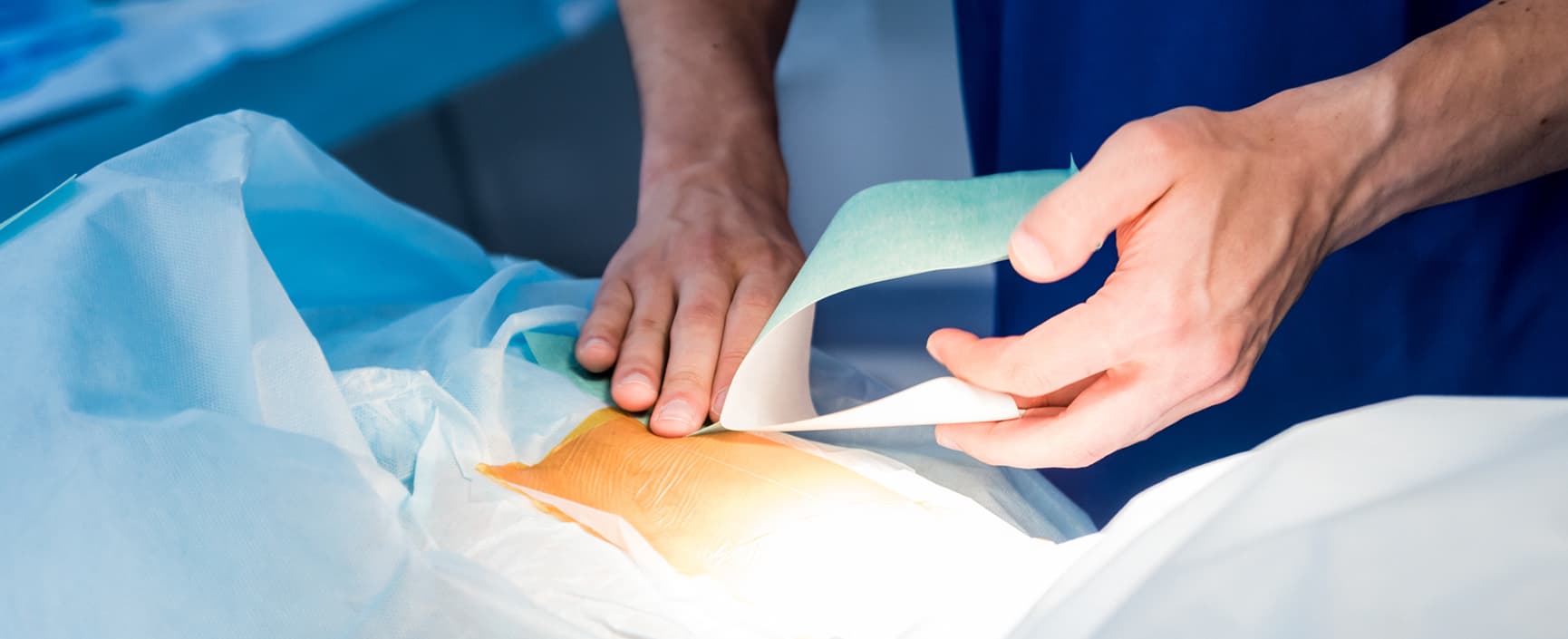
Living with chronic nerve pain can feel overwhelming and isolating. Burning, stabbing, or electric sensations may interfere with walking, sleeping, working, or enjoying everyday life. When medications, injections, or other treatments fail to provide lasting relief, it’s natural to wonder if anything more precise exists.
At Advanced Pain Medical Group, Dorsal Root Ganglion (DRG) Stimulation offers an advanced, targeted approach to chronic neuropathic pain management. This minimally invasive form of neuromodulation for chronic pain focuses directly on the nerves responsible for pain – helping you regain control, comfort, and confidence.
Why Nerve Pain Feels Different & Why It’s Hard to Treat
Chronic nerve pain occurs when sensory signals become disrupted or overactive within the nervous system. These faulty signals continue to fire, even when there is no active injury. The dorsal root ganglion plays a critical role in this process. Located along the spine, it acts as a gateway where pain signals enter before traveling to the brain. When this gateway becomes sensitized, pain can persist or intensify.
Peripheral nerve signaling modulation through DRG stimulation helps calm this pathway, restoring balance and reducing pain perception.
When Chronic Nerve Pain Won’t Let Up, Precision Matters
Nerve pain behaves differently than muscle or joint pain. It can persist long after an injury heals and often resists traditional treatments. If your pain feels sharp, burning, tingling, or shock-like – and seems confined to one specific area – precision matters. DRG stimulation therapy was developed for exactly this type of pain.
Instead of masking symptoms, it addresses abnormal nerve signaling at its source, offering a powerful option for people seeking long-term chronic pain relief without relying on opioids.
How Dorsal Root Ganglion Stimulation Targets Pain At Its Source
Dorsal root ganglion stimulation is a form of spinal nerve stimulation and advanced pain implant therapy. A small device delivers mild electrical impulses directly to the specific dorsal root ganglion associated with your pain. Because the stimulation is highly targeted, DRG therapy excels as a focal nerve pain treatment. It allows your pain specialist to concentrate relief exactly where it’s needed – without affecting surrounding areas.
Nerve Pain Conditions That Respond Well To DRG Stimulation
- Complex Regional Pain Syndrome (CRPS)
- Diabetic Neuropathy, Especially Affecting The Feet Or Lower Limbs
- Persistent Nerve Pain Following Surgery Or Trauma
- Post-Surgical Nerve Injury
- Chronic Pain After Joint Replacement
- Localized Pelvic, Groin, Or Extremity Nerve Pain
Clinically Proven Pain Reduction
A large pooled analysis published in the journal Neuromodulation evaluated outcomes in 217 individuals with permanent DRG implants at 12-month follow-up. Significant improvements were reported across patient-reported outcomes, including function and daily quality of life
- 63% Reported At Least 50% Pain Relief
- Average Pain Scores Were Reduced To 3.4
- Strong Responder Rates In Focal Pain Regions: 80% For Foot & Groin Pain, 75% For Leg Pain, 70% For Back Pain
Safety & Effectiveness Across Chronic Pain Conditions
The Neuromodulation study concluded that dorsal root ganglion stimulation is a safe and effective therapy for multiple chronic pain conditions, including CRPS-I, causalgia, and chronic back pain. Reported complications – such as temporary implant-site discomfort or lead adjustments – were generally manageable and consistent with other implantable neuromodulation therapies.
DRG Stimulation Vs. Spinal Cord Stimulation
While spinal cord stimulation has helped many people, it can struggle to precisely target localized pain. DRG stimulation is often recommended as an alternative to spinal cord stimulation Ii your pain is concentrated in areas such as the foot, knee, groin, hip, or pelvis, for more consistent relief.
- Highly Accurate Pain Coverage
- Stable Relief With Movement Or Position Changes
- Reduced Stimulation Of Non-Painful Areas
- Strong Results For Regional & Asymmetric Pain
Evidence Supporting Targeted Pain Relief
Clinical research, published in the peer-reviewed journal Pain, found that dorsal root ganglion stimulation delivered stronger and more durable pain relief than traditional spinal cord stimulation for people with lower-limb CRPS.
- 74.2% Experienced Meaningful Pain Relief With DRG Stimulation At 12 Months
- One-Third Reported Greater Than 80% Pain Relief Without Tingling Sensations, A Common Side Effect Of Spinal Cord Stimulation
- Participants Receiving DRG Stimulation Also Reported Greater Improvements In Quality Of Life
Treatment Designed For Hard-To-Treat Pain Areas
According to Weill Cornell Medicine Department of Neurology & Neurosurgery, dorsal root ganglion stimulation effectively treats pain in areas that are difficult to reach with spinal cord stimulation. These areas include the: hands, chest, knees, feet, abdomen, and groin. DRG stimulation is also recognized as an effective option for neuropathic pain conditions, including diabetic neuropathy, due to its ability to deliver highly localized nerve modulation.
What To Expect From The DRG Stimulation Process
Your care begins with a comprehensive evaluation by a chronic nerve pain specialist. This includes reviewing your history, imaging, prior treatments, and neurological findings to ensure DRG stimulation is appropriate for you. Every treatment plan is customized. Your provider determines which nerves are involved and whether DRG stimulation aligns with your goals.
Trying DRG Stimulation Before Permanent Implantation
Before any permanent implant, you undergo a temporary DRG stimulation trial. This allows you to experience pain relief and improved function before making a long-term decision.
Minimally Invasive Implant Placement
If the trial is successful, a permanent system is implanted using minimally invasive techniques. Most people return home the same day and resume light activities shortly after.
How DRG Stimulation Can Change Daily Life With Chronic Pain
DRG stimulation is often part of a broader neuromodulation therapy, combined with other interventional pain strategies when appropriate. By addressing pain at the nerve level, nerve pain stimulation therapy benefits you on many levels.
- Achieve Meaningful, Lasting Chronic Pain Relief
- Reduce Dependence On Pain Medications
- Improve Mobility & Sleep Quality
- Manage Pain Flares More Effectively
- Restore Confidence In Daily Movement
Who May Be a Good Candidate for DRG Stimulation
Your care team will guide you through every step to ensure this targeted neuromodulation therapy fits your lifestyle and long-term needs. You may be a strong candidate for DRG stimulation in Los Angeles and surrounding areas if:
- Your Nerve Pain Has Lasted Longer Than Six Months
- Conservative Treatments Have Not Provided Relief
- Your Pain Is Localized Rather Than Widespread
- You Are Seeking A Non-Opioid, Minimally Invasive Option
Common Questions About DRG Stimulation Therapy
Yes. DRG stimulation is FDA-approved and supported by extensive clinical research when performed by experienced pain specialists.
Most people describe the sensation as mild or barely noticeable. Modern devices are designed for comfort and precision.
Battery life varies depending on usage, but systems typically last several years and can be replaced when needed.
Many insurance plans provide coverage. Our team assists with authorization and verification.
Many people are able to reduce or eliminate certain medications under medical supervision after successful treatment.
Take Control of Chronic Nerve Pain With Targeted Neuromodulation
If you’re ready to explore Dorsal Root Ganglion (DRG) Stimulation in Southern California, the team at Advanced Pain Medical Group is here to help. Schedule a consultation at our Los Angeles pain management clinic today, and take the next step toward precise, long-lasting relief.